The Local Story
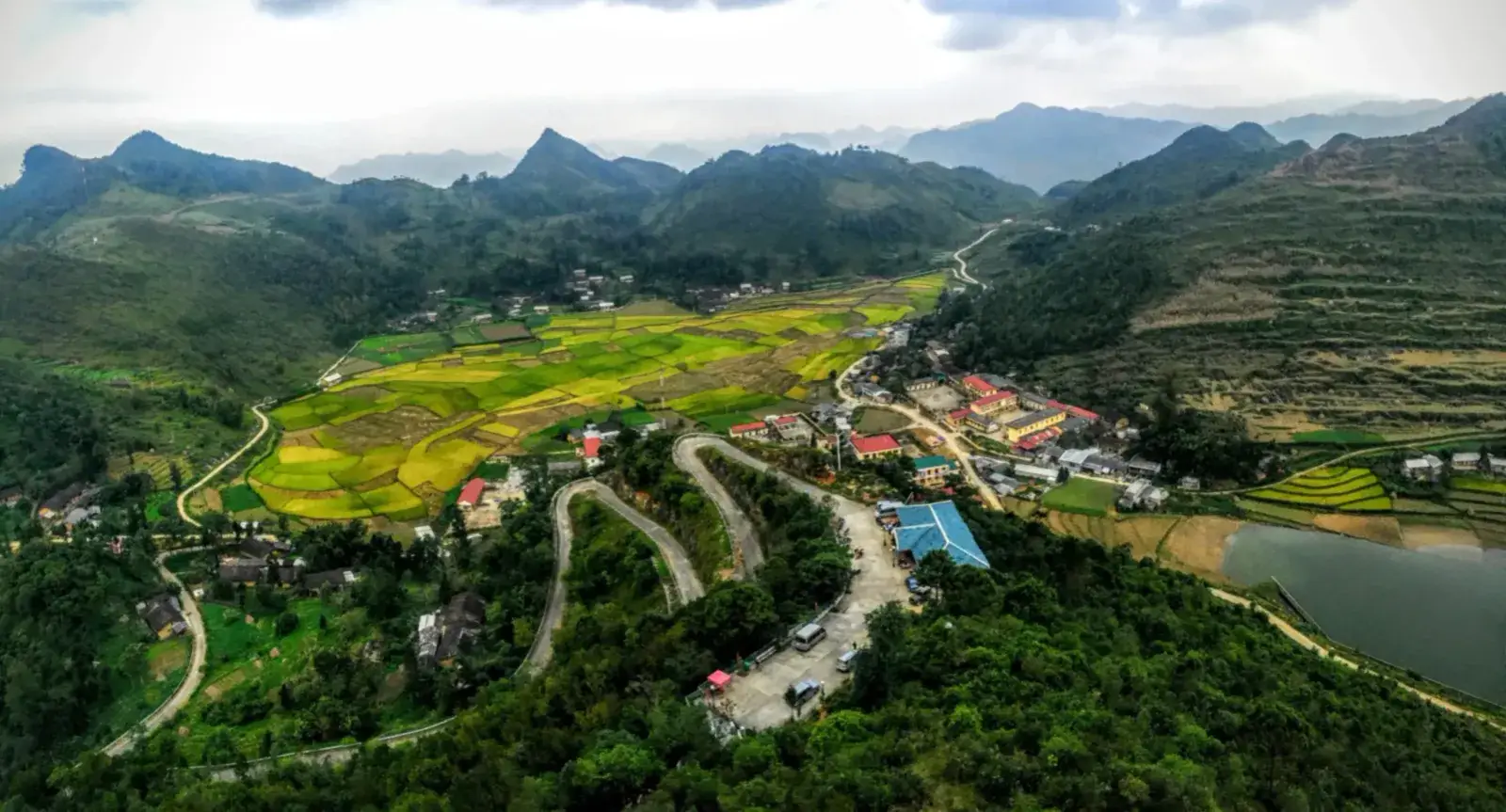
Hidden at 1,500 metres elevation deep within primeval bamboo forests in Van Chai commune, Sao Ha is an ancient Hmong hamlet famed for mossy stone fences, traditional rammed-earth homes, and an uncanny timeless stillness. The village road is a narrow, single-track concrete path suitable only for motorbikes or walking; maintain quiet humility, never offer money or candy to children, and depart before dusk to respect family domestic routines.
In this guide
Hidden behind the winding mountain passes of Van Chai in the Dong Van region, Sao Ha is an ancient hamlet that feels suspended outside modern time. Perched at an elevation of nearly 1,500 metres and shielded by dense bamboo forests, this tranquil enclave of Hmong families from the Vang clan preserves an authentic, unhurried mountain heritage.
Secluded amid bamboo and ancient stone
To reach Sao Ha, travellers navigate a narrow concrete trail carved into steep limestone slopes. As you cross the threshold of the village, the noise of the highway vanishes entirely, replaced by the whispering of mountain winds through towering bamboo stalks. Traditional earthen homes with yin-yang tiled roofs sit nestled behind carefully hand-stacked stone fences that have stood firm against harsh highland winters for generations.
A lifestyle rooted in simple self-reliance
For decades, Sao Ha lived in peaceful isolation without access to national electricity grids, piped tap water, or modern telecommunications networks. Water is gathered from natural mountain seepages, and daily life revolves around wood-fired hearths, hand-woven hemp garments, and stone corn grinders. The surreal, mist-shrouded limestone landscape surrounding the hamlet earned it nationwide fame when selected as the atmospheric backdrop for historical cinema.
Four seasons in the misty bamboo forest
The secluded high-altitude valley experiences stark seasonal rhythms:
- Spring (January to March): Pink wild peach blossoms and white pear flowers bloom brilliantly along stone walls. Mountain mist weaves continuously through the ancient bamboo forest, creating an enchanting fairytale atmosphere.
- Summer (April to June): The dense bamboo canopy keeps the village delightfully cool, dropping the temperature several degrees below the exposed highway. Tender bamboo shoots sprout from rich forest humus.
- Autumn (July to September): Crisp highland air and deep blue skies. Golden bundles of harvested corn hang from eaves, drying against ochre clay walls in the warm autumn sun.
- Winter (October to December): Deep, introspective chill settles over the forest. Fragrant woodsmoke drifts from mossy yin-yang tiles as families gather around glowing hearths, reflecting the enduring resilience of highland life.
Visiting with humility and discretion
Sao Ha is an intimate residential community, not an open tourist attraction:
- Walk gently and speak softly: Avoid playing loud music, shouting, or flying noisy drones over private homes and courtyards.
- No begging culture: Never give candy, snacks, or loose cash to local children, as this fosters commercial dependency and undermines school attendance. Support the community by hiring local guides instead.
- Daylight hours only: Arrive during daytime and leave well before twilight so families can enjoy their quiet evening routines in accordance with our visitor pledge.
Practical Observations
- The concrete path into the village is very narrow with sheer drop-offs; walk or ride slowly on a light manual motorbike.
- Spring brings blooming peach blossoms and fresh green shoots across the bamboo forest.
- Bring a light jacket as the high altitude and deep forest keep the village cool even at midday.
Related story
The Dong Van Karst Plateau: what a UNESCO Global Geopark means for your trip
Most of the Ha Giang Loop runs through a UNESCO Global Geopark of 2,356 km². What that title means, what you will see, and how to travel it well.
Good to know before you go
Can cars reach Sao Ha village?
No, passenger cars cannot access Sao Ha. The road is a steep, single-track concrete path suitable only for two-wheeled motorbikes or travellers walking on foot.
Why is Sao Ha famous in contemporary Vietnamese culture?
Sao Ha gained cultural fame as the real-life filming setting for atmospheric historical and folk-horror films, chosen for its secluded ancient earthen homes and mystical bamboo forests.


