The Local Story
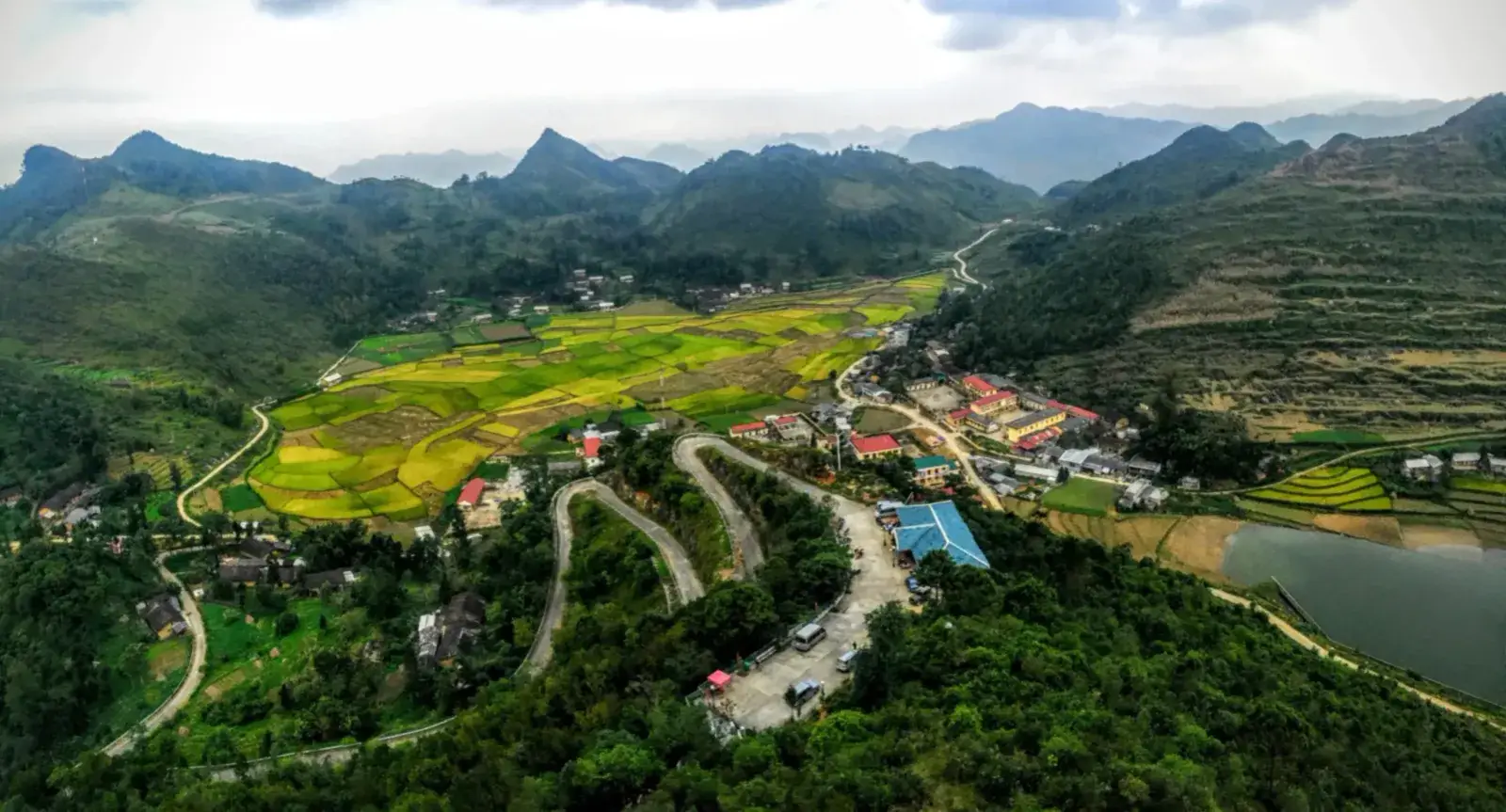
Climbing just two kilometres above the tourist-heavy shophouses of Sung La valley, Lao Xa is an idyllic Hmong village where families of the Mua clan have preserved traditional silver-casting and hand-engraving for nearly a century. Spring brings an unforgettable canopy of pink peach and white plum blossoms across ancient stone fences; visitors can quietly observe master craftsmen working beside charcoal hearths and purchase authentic heirloom jewelry directly from the makers.
In this guide
While many travellers pull over along National Highway 4C to admire the famous earthen house in Sung La valley, very few take the winding branch road that climbs behind the stone cliffs into Lao Xa. Located in the Dong Van region, this peaceful Hmong village feels worlds apart from tourist traffic, offering an authentic glimpse into highland craftsmanship and rural life.
The rhythmic strike of the silversmith's hammer
As you wander down the earthen paths of Lao Xa, the gentle clink of metal against stone announces the presence of local forges:
- A century of heritage: For nearly a hundred years, families belonging to the Mua lineage have handed down the intricate art of silver casting and engraving through generations of father-to-son apprenticeships.
- The handmade crucible: Working beside open charcoal bellows, master artisans melt raw silver in clay crucibles, pour ingots into iron moulds, and hammer them out on rough stone anvils into delicate wire strands and engraved bands.
- Sacred highland silver: In traditional Hmong spirituality, silver jewellery is far more than decoration. Intricate collar necklaces (vong co), engraved bangles, and drop earrings serve as protective talismans believed to ward off harmful mountain spirits and bring health to the wearer, serving as indispensable bridal dowries.
Four seasons in Lao Xa village
The village courtyards transform with dramatic pastoral beauty:
- Spring blossom peak (January to March): The most magnificent season in Lao Xa. Ancient wild peach trees and century-old white plum and pear trees explode into bloom, forming a soft canopy over mossy limestone fences and ochre rammed-earth walls.
- Summer (April to June): Deep green corn blankets every karst pocket around the village. The high elevation provides refreshing mountain air, and artisans forge silver beside open workshop doors.
- Autumn (July to September): Crisp dry mountain air and clear skies. Golden ears of corn dry on wooden verandas, and the gentle clinking of silversmith hammers echoes peacefully through the quiet village afternoon.
- Winter preparations (October to December): Peak production season for village silversmiths. As the Lunar New Year approaches, local highland families commission elaborate silver necklaces and buttons for festive holiday garments, keeping forges glowing late into freezing nights.
Respectful artisan etiquette
When exploring family workshops in Lao Xa, observe mindful travel practices:
- Courtesy at the hearth: Always greet the artisan and ask polite permission before taking photographs of forges or hands at work.
- Fair trade patronage: Purchasing a handmade silver ring, bracelet, or pendant directly from the smith provides immediate, dignified livelihood support to highland craftsmen in full accordance with our visitor pledge.
Practical Observations
- February to March is the most scenic period when peach and plum blossoms blanket the village courtyards.
- The village road is paved and accessible by motorbike and small cars, with quiet parking at the entrance.
- Respect family workshops; ask politely before photographing artisans at their charcoal hearths.
Related story
The Dong Van Karst Plateau: what a UNESCO Global Geopark means for your trip
Most of the Ha Giang Loop runs through a UNESCO Global Geopark of 2,356 km². What that title means, what you will see, and how to travel it well.
Good to know before you go
What makes Lao Xa silversmithing distinct?
Lao Xa silver is hand-forged using traditional tools, wood fires, and stone anvils passed down through the Mua lineage, featuring symbolic patterns carrying spiritual protection in Hmong culture.
Can I buy silver jewellery directly from artisans in Lao Xa?
Yes, visitors can purchase rings, bracelets, and necklaces directly from family workshops at fair, unhurried prices.


