The Local Story
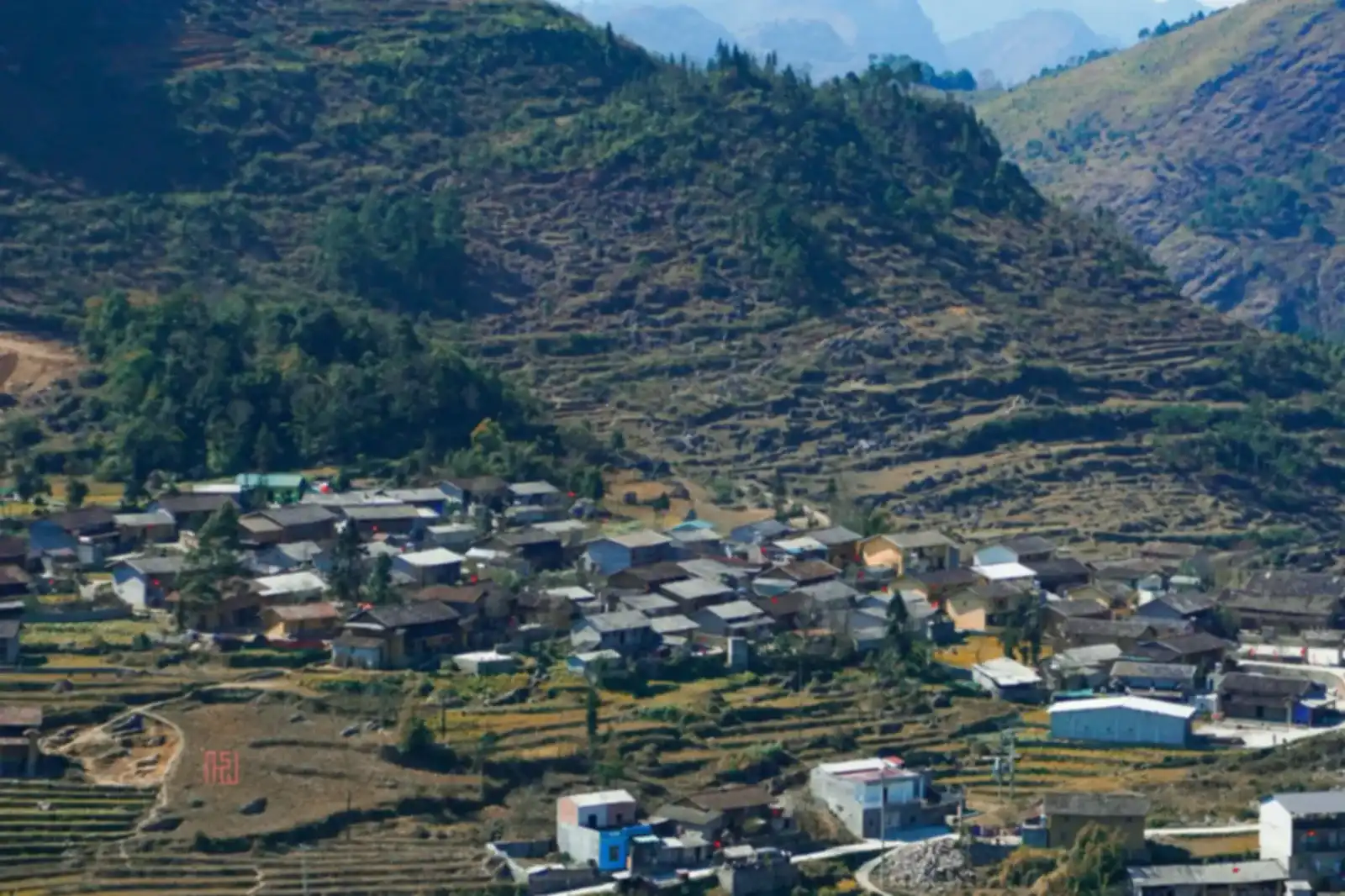
Then Pa is a tranquil Hmong village cradled beneath Dragon Mountain in Lung Cu, where just over a dozen households of the Vang clan cluster beside the sacred Dragon Eye lake. In contrast to bustling Lo Lo Chai, Then Pa preserves an intimate community cadence of thick rammed-earth homes and hand-stacked limestone walls; stroll gently around the mirror-like lake at dawn, greet villagers warmly, and savour a wholesome family dinner around crackling wood hearths.
In this guide
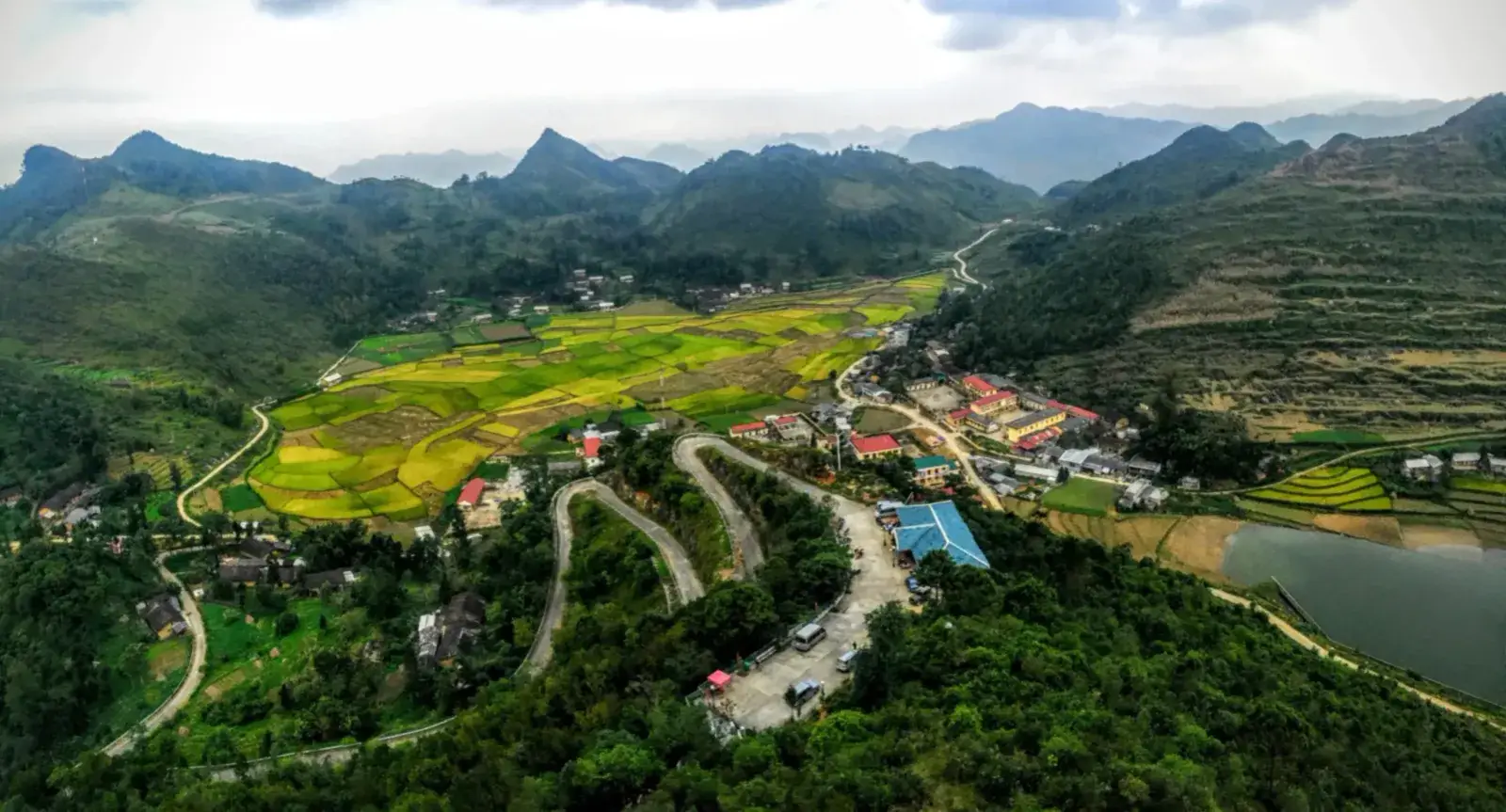
Nestled directly beneath Dragon Mountain and Lung Cu Flag Tower in the Dong Van region, Then Pa is a charming traditional settlement that translates in the Hmong tongue as "The Great Field." Set beside the natural freshwater lake known as the right Dragon Eye, this compact village offers an inspiring example of authentic community life and slow travel.
A close-knit village of eleven hearths
Unlike larger tourist villages, Then Pa consists of a tight-knit clan of just over a dozen households, almost all belonging to the Vang family lineage. The houses are constructed with thick, golden rammed-earth walls that keep interiors naturally cool through summer and snug during freezing highland winters. Each courtyard is enclosed by hand-chiseled limestone fences built without mortar, adorned with corn cobs drying beneath wooden eaves.
The twin Dragon Eye lakes
Local legend holds that the two natural freshwater pools resting at the foot of Dragon Mountain are the celestial eyes of a protective sacred dragon. While the left lake borders the Lo Lo community, the right lake reflects the tranquil earthen rooftops of Then Pa. The mirror-like waters remain clear throughout the year, serving as the spiritual heart of the valley.
Community-minded hospitality
In recent years, the families of Then Pa have thoughtfully organized a community homestay model designed to preserve village life while welcoming visitors. Motorbike parking and dining areas are neatly separated from private quarters, allowing guests to share wholesome meals around communal wood stoves, sample homemade corn wine, and experience highland life without disturbing the peace of the hamlet.
Four seasons beneath Dragon Mountain
The quiet beauty of Then Pa reflects the passing highland seasons:
- Spring (January to March): Peach and plum orchards bloom across golden earthen walls, casting delicate reflections across the calm surface of the Dragon Eye lake as Hmong pipe melodies echo through the valley.
- Summer (April to June): Pleasantly cool breezes drift off the surrounding peaks while lush cornfields cover the valley floor. The freshwater lake remains crystal-clear, mirroring blue mountain skies.
- Autumn harvest (July to September): Corn harvests ripen into deep golden amber, with cobs hung neatly beneath wooden eaves. Woodsmoke curls softly through the evening air, scented with toasted sweet corn and sticky rice.
- Winter chill (October to December): Buckwheat blossoms tint the slopes around the lake in soft purple and pink. Chilly evenings draw hosts and guests together around glowing wood stoves with warming cups of local corn wine.
Respecting the sacred mountain
Because Then Pa rests beside the revered Dragon Eye lake at the base of Dragon Mountain, visitors are kindly asked to observe local customs:
- Protect the sacred lake: The Dragon Eye pool is a vital freshwater spring and a cultural landmark; never litter, wash, or swim in the water.
- Respect private home spaces: Walk softly along village lanes and avoid entering private residential quarters without a welcoming invitation from your host.
- Support families directly: Dine on home-cooked family meals or purchase local mint honey and forest teas directly from the Vang clan to nurture genuine community benefits.
Practical Observations
- Staying overnight here offers an intimate glimpse into traditional Hmong family dinners around open wood fires.
- The village sits on flat ground with convenient parking, making it very accessible for families and car travellers.
- Walk around the Dragon Eye lake at sunrise when thick mountain mists drift over the water.
Related story
The Dong Van Karst Plateau: what a UNESCO Global Geopark means for your trip
Most of the Ha Giang Loop runs through a UNESCO Global Geopark of 2,356 km². What that title means, what you will see, and how to travel it well.
Good to know before you go
What is the difference between Lo Lo Chai and Then Pa?
Lo Lo Chai is inhabited primarily by the Lo Lo ethnic minority with many bustling homestays, whereas Then Pa is a smaller, quieter hamlet of eleven Hmong households of the Vang clan situated by the second Dragon Eye lake.
Can cars reach Then Pa easily?
Yes, passenger cars and vans can drive directly to the dedicated parking area at Then Pa village without navigating steep dirt trails.