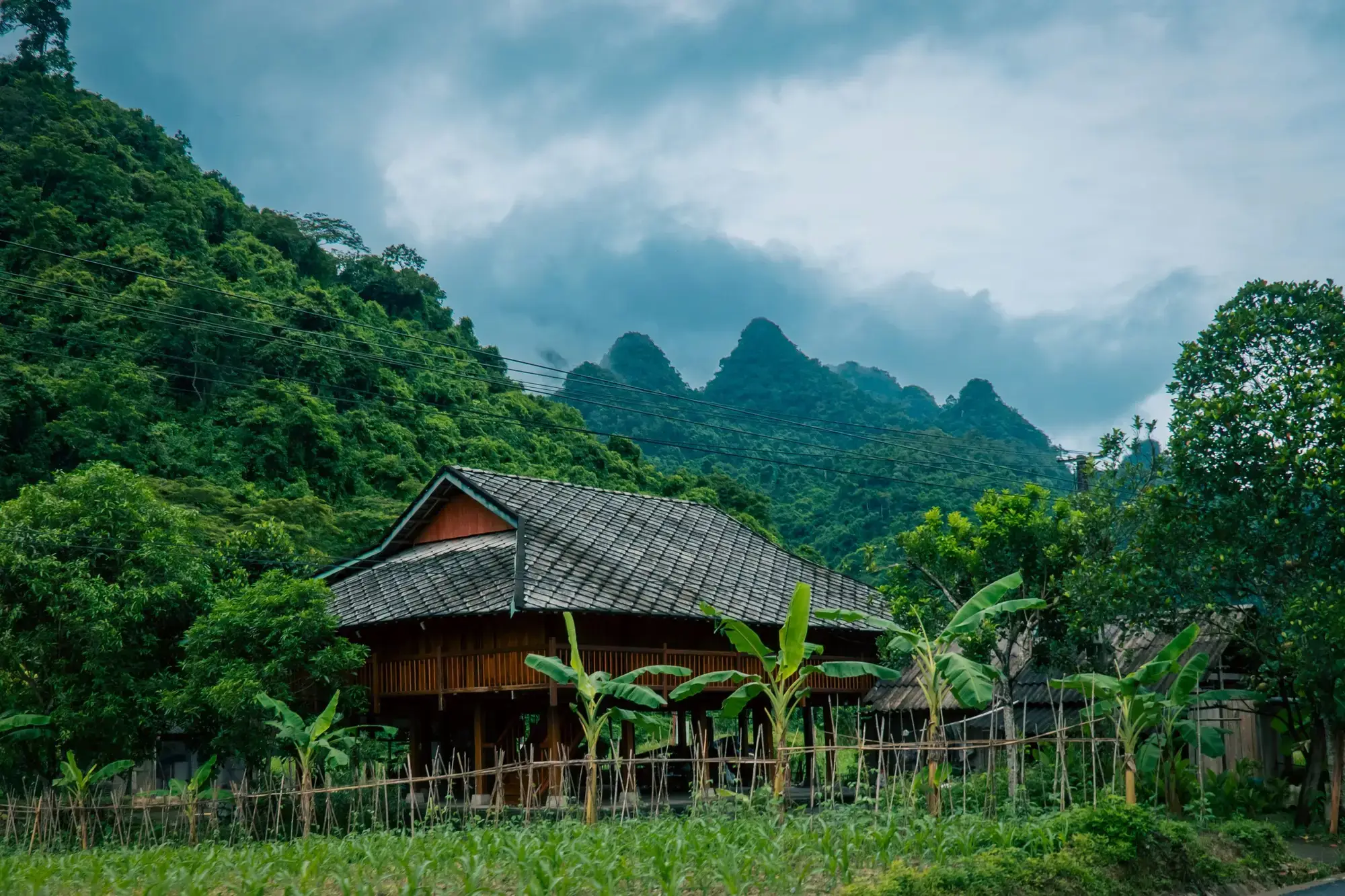
Over the past five years, the word “homestay” has become the default label for almost every accommodation option listed across northern Vietnam. If you browse booking websites, you will find everything from purpose-built concrete backpacker party dorms with neon lights to luxury boutique eco-resorts charging two hundred dollars a night calling themselves homestays.
For those of us who live and host guests in Ha Giang, a real homestay is something very specific. It is not an impersonal hostel, and it is certainly not a hotel with room service and soundproof walls. An authentic homestay is a functioning family home belonging to an ethnic Tay, Giay, Hmong, or Dao household. They have opened their doors, their kitchen, and their wooden floorboards to welcome travellers from around the world.
Staying in one of these homes is by far the most enriching and culturally rewarding aspect of the entire Ha Giang Loop. However, if you arrive with expectations shaped by modern Western hotels, you might encounter a few surprising cultural realities. Here is an honest, behind-the-scenes look at what homestay life is truly like, along with practical tips to ensure your stay is comfortable and deeply memorable.
The Architecture: Stilt Houses and Rammed-Earth Courtyards
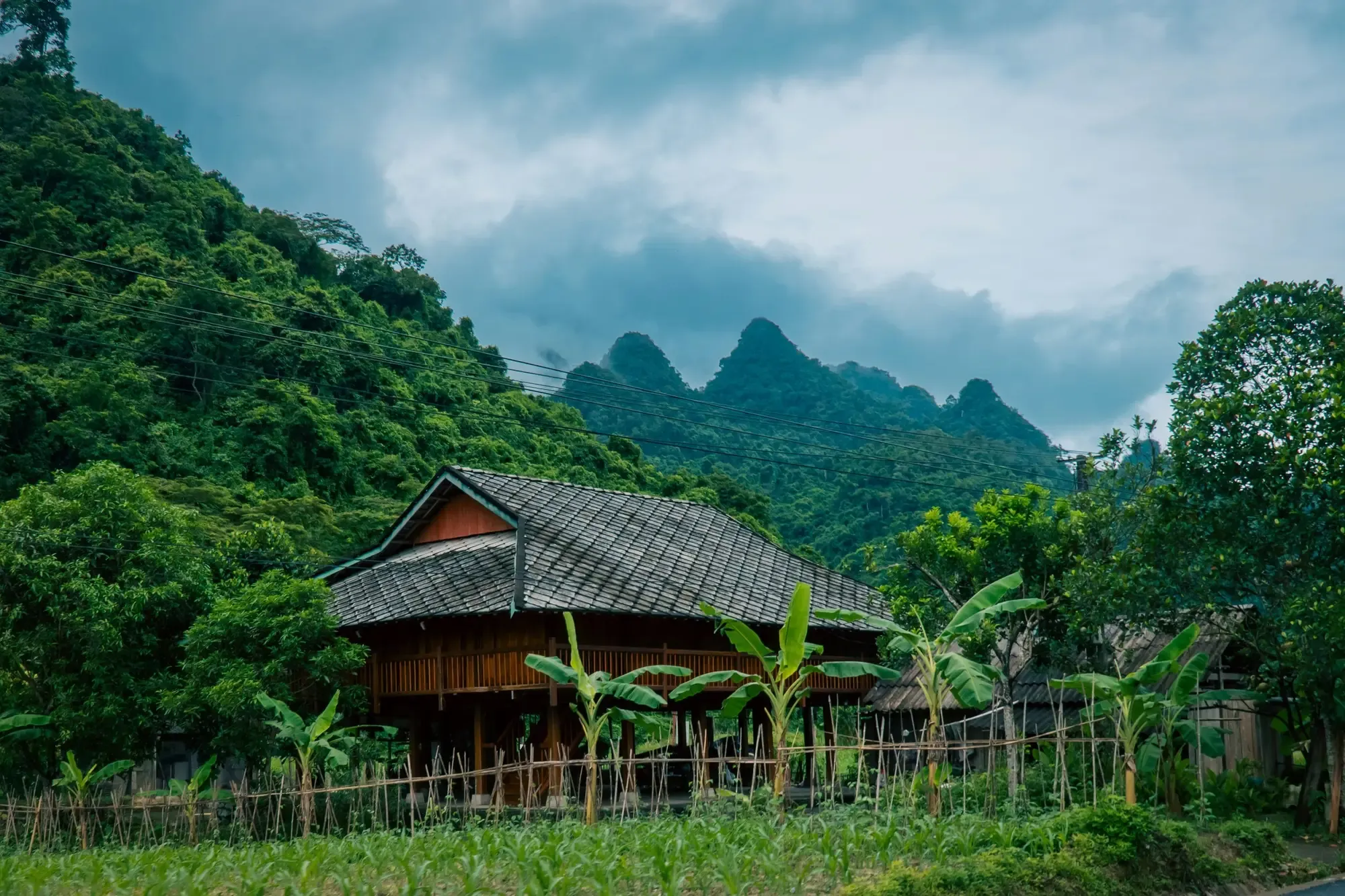
When you pull your motorbike into a village courtyard in Ha Giang, your accommodation will almost certainly feature one of two remarkable indigenous architectural styles:
1. Tay and Giay Stilt Houses (Nha San)
Predominant in lush river valleys such as Thon Tha near Ha Giang town and the emerald rice bowl of Du Gia village, these homes are elevated two to three metres off the ground on thick wooden pillars made of ironwood.
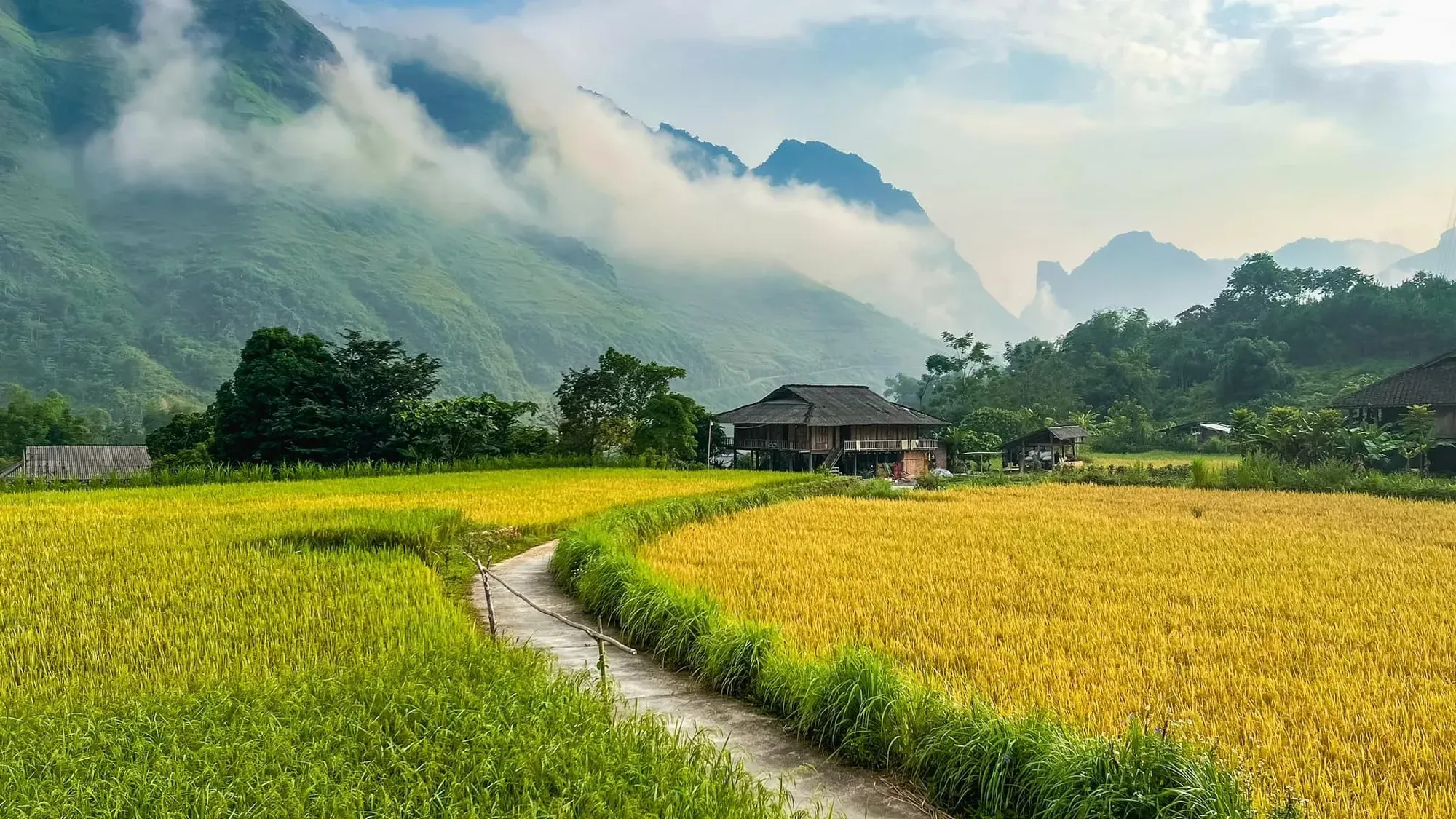
The upper floor is a massive, open timber hall polished smooth by decades of bare feet. Traditionally, livestock was kept in the open area beneath the house, but in modern licensed homestays, that ground level has been thoroughly cleaned, paved, or converted into seating areas and motorcycle parking. The walls are made of slatted timber planks, and the roof is thatched with thick layers of palm leaves or clay tiles. Sleeping on the upper deck means listening to the rustle of bamboo groves and the gentle babble of mountain streams all night long.
2. Hmong Rammed-Earth Dwellings (Nha Trinh Tuong)
As you climb into the harsh, dry karst terrain around Dong Van, Meo Vac, and the Sung La valley, timber becomes scarce. Here, Hmong families build directly on the ground using rammed earth.
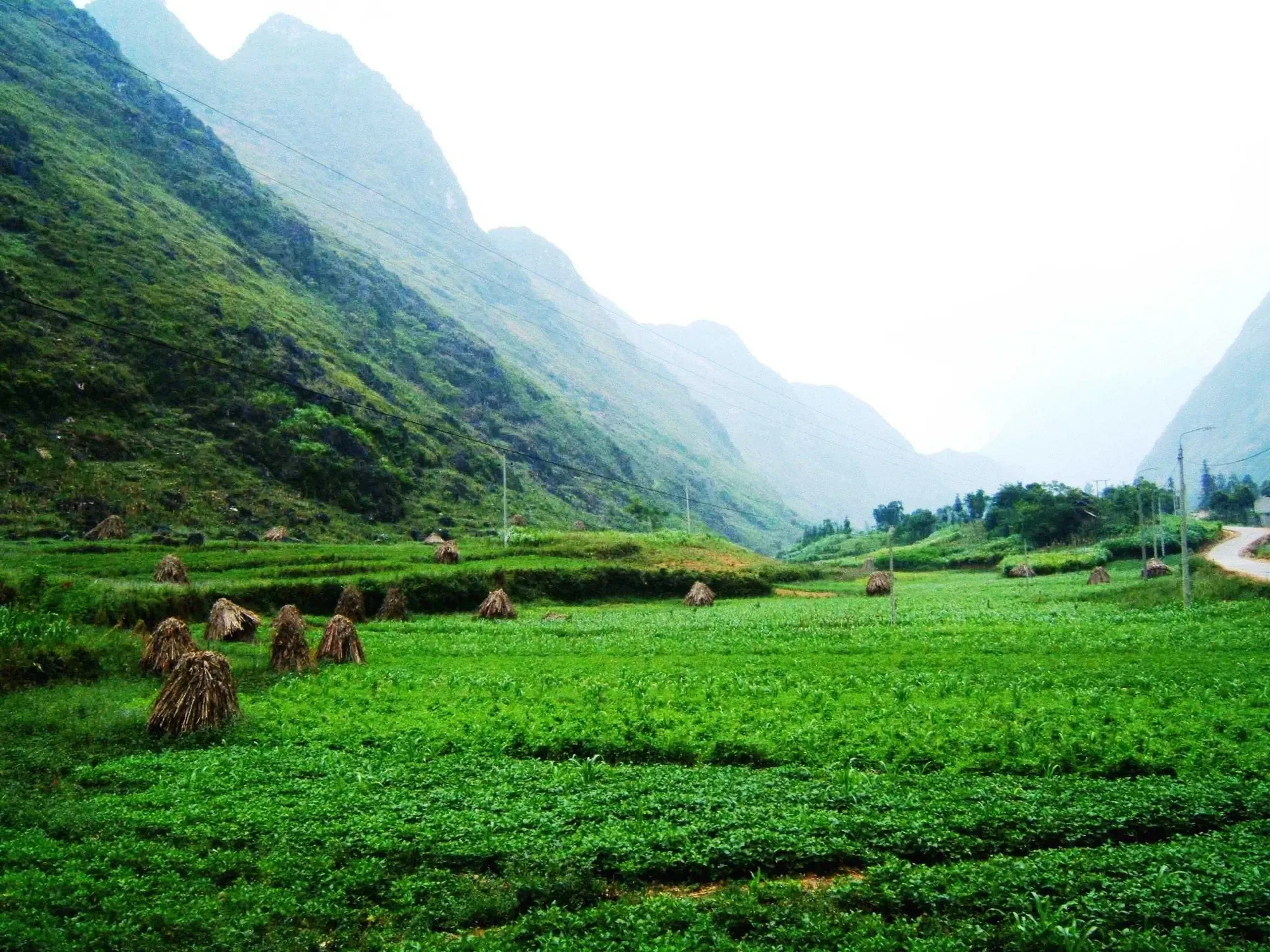
Using heavy wooden molds, local builders pound clay soil by hand to create solid, unreinforced walls forty to fifty centimetres thick. The roof is tiled with weathered grey yin-yang tiles that collect rainwater. These earthen walls possess astonishing natural insulation properties: during scorching summer afternoons, the interior feels delightfully cool like an underground cellar, while during freezing winter cold snaps, the dense clay traps heat and keeps out biting pass winds.
Sleeping Arrangements: Communal Living and Real Mountain Sounds
If you book a standard homestay room, you should understand the typical mountain setup. While some modern homestays now offer private timber rooms with en-suite bathrooms, the classic experience is the communal loft (phong dorm).
In a traditional loft, individual cotton mattresses (typically four to six inches thick) are laid out directly on the polished wooden floorboards. Each mattress is fitted with fresh sheets, a heavy cotton duvet, and a standalone mosquito net suspended from the rafters. Privacy is provided by colourful hanging hemp curtains or woven bamboo screens between beds.
Here are the real environmental factors you should expect:
- Zero acoustic soundproofing: Wooden planks and bamboo screens do not block sound. If someone in the room whispers, rolls over in bed, or snores, you will hear it.
- The early village wake-up chorus: Village life in northern Vietnam starts with the sun. Around 4:30 AM, roosters across the valley begin crowing in competitive unison. By 5:15 AM, you will hear the soft thud of firewood being chopped in the kitchen, the squeal of pigs waiting for breakfast, and the gentle chatter of your host family boiling water for morning tea.
- Light and draft: Mountain breezes drift through small gaps in timber wallboards, and early morning sunlight filters through roof eaves.
If you are a light sleeper, do not leave home without a pair of comfortable silicone earplugs and an eye mask. Once you accept that the sounds around you are the natural rhythm of a living village rather than city traffic, you will find yourself falling into deep, peaceful sleep.
Bathrooms, Hot Water, and Electrical Realities
Infrastructure in remote mountain valleys has improved dramatically, but it still operates under practical physical constraints:
Detached Bathrooms
In traditional highland belief systems, toilets and washing areas are never placed inside the main living house. Consequently, homestay bathrooms are usually built as a neat concrete block located twenty or thirty metres behind or to the side of the main building. If you need to use the toilet at 2:00 AM, you will need to slip on sandals, grab a light, and step outside into the brisk night air.
Hot Water Availability
Almost all registered homestays now feature hot water showers powered by solar rooftop heaters supplemented by electric boilers. However, when a dozen dusty riders arrive simultaneously at 5:30 PM after a long day on the road, hot water tanks can deplete quickly. Our local advice is simple: take your shower promptly upon arrival before dinner, keep your shower brief and thoughtful, and pack a pair of rubber flip-flops for wet tile floors.
Internet and Electrical Outlets
Wi-Fi is available in nearly every homestay, but connection speeds vary wildly. In remote gorges, a sudden rainstorm or mountain wind can disrupt satellite or cellular relays for hours. Treat slow internet not as an inconvenience, but as an invitation to look away from your screen. Electrical sockets are often clustered in communal areas or along walls; carrying a compact portable power bank ensures your camera and phone are fully charged for tomorrow’s viewpoints.
The Family Dinner: The True Heart of the Experience
If you ask any seasoned rider why they choose homestays over commercial hotels, the answer is always the evening family dinner (com gia dinh).
Around 6:30 PM, the central room fills with woodsmoke and the incredible sizzle of woks. You gather with your travel companions, fellow international guests, and the host family around low tables or reed mats laid on the floor.
The meal is a magnificent, family-style feast of mountain abundance:
- Crispy pork belly stir-fried with fragrant forest wild-pepper leaves.
- Free-range village chicken boiled with ginger and lime leaves.
- Fresh mountain mustard greens stir-fried with garlic.
- Golden fried tofu in fresh tomato and scallion sauce.
- Steamed rice served from a giant shared wooden bowl.
Then comes the ceremonial appearance of the corn wine jerrycan. Your host will fill tiny glass thimbles for everyone at the table, raise his glass with two hands, and lead a booming chorus of “Mot, Hai, Ba, Dzo!” (One, Two, Three, Cheers!). Toasts are exchanged, stories of mountain switchbacks are shared across language barriers, and strangers quickly become friends beside the roaring hearth.
Cultural Etiquette: How to Be a Gracious Guest
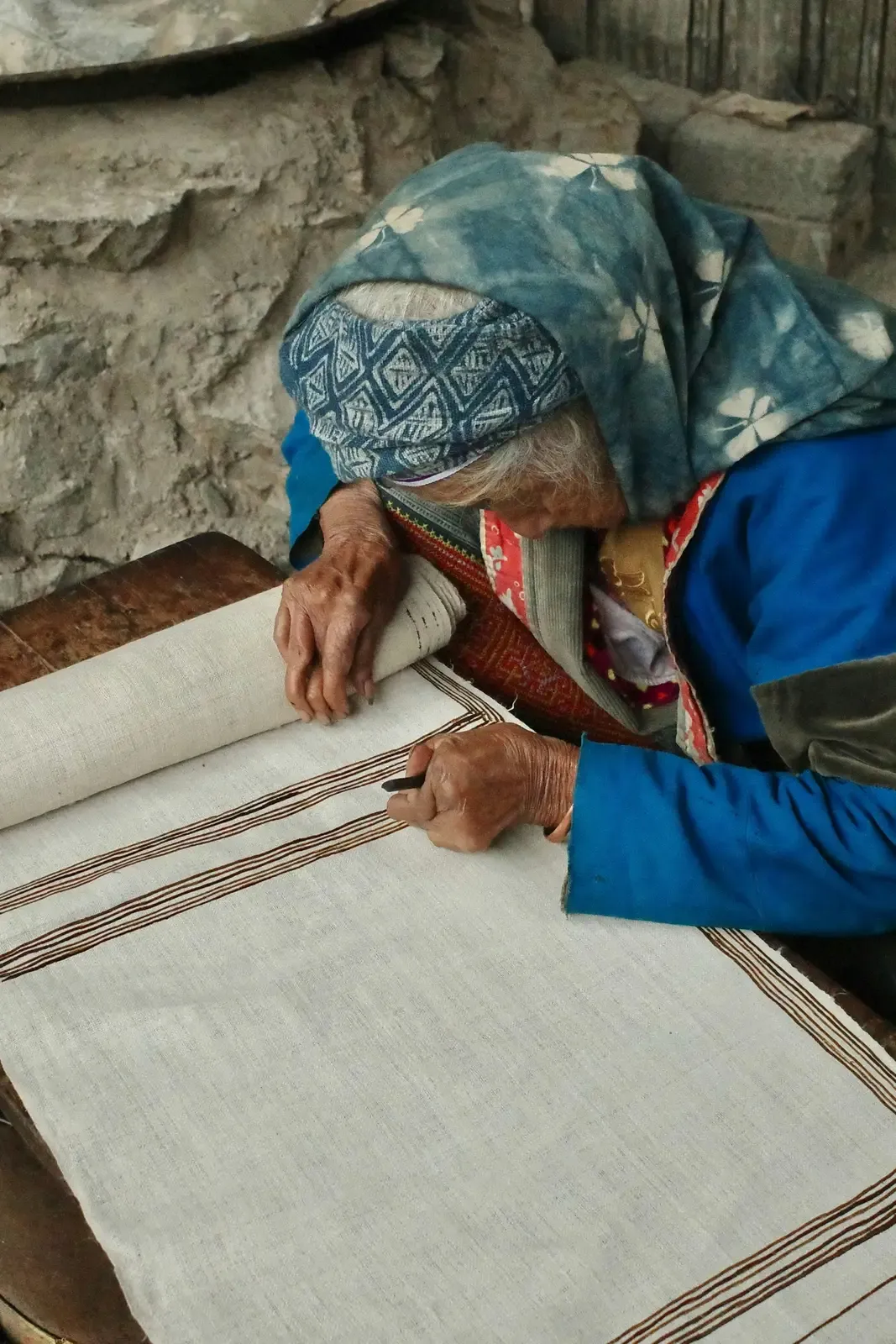
You are an invited guest inside an ancestral home. Practicing thoughtful cultural etiquette shows profound respect for the traditions of your hosts:
- Remove shoes at the threshold: Always leave your dusty hiking boots on the lower porch or wooden steps before stepping onto the living floorboards.
- Respect the sacred central pillar: In traditional Hmong and Tay homes, the central wooden pillar supporting the main roof beam is considered the resting place of the household ancestor spirits. Never lean your back against this pillar, never sit with your feet pointed at it, and never hang wet riding trousers or towels upon it.
- Hearth fire manners: The wood-burning hearth in the living room is sacred. When gathering around the fire on chilly evenings, sit cross-legged or on low stools. Never point the soles of your feet directly toward the fire, and never throw garbage, plastic wrappers, or cigarette butts into the cooking flames.
- Quiet hours: Mountain families work grueling hours in steep fields and retire early. By 10:00 PM, lower your speaking voice, turn off external speakers, and respect the quiet of the night.
- Explore our complete community guidance in our Visitor Pledge.
What to Pack Specifically for Homestay Stays
To ensure total comfort during your village overnights, add these essentials to your bag (see our full guide on what to pack):
- Compact headlamp or pocket torch: Invaluable for nighttime bathroom visits across dark village yards.
- Quality earplugs and sleeping eye mask: Ensures uninterrupted sleep despite dawn roosters and creaking wooden floorboards.
- Warm thermal socks and sleepwear: Essential during late autumn and winter when overnight temperatures on the plateau drop into single digits.
- Personal quick-dry towel and toiletries: While sheets and duvets are provided, smaller rural homestays do not always supply thick bath towels or toiletries.
- A lightweight sleeping sheet liner: If you have sensitive skin or like an extra layer of comfort inside your duvet.
Staying at a family homestay in Ha Giang is not about luxury; it is about human connection. When you choose a community-owned homestay in places like Dong Van old quarter or remote hamlets, your travel money goes straight into the hands of local families, funding children’s education and preserving traditional mountain culture. Approach the experience with an open mind, a warm smile, and an appetite for adventure, and it will be the highlight of your journey through Vietnam.


