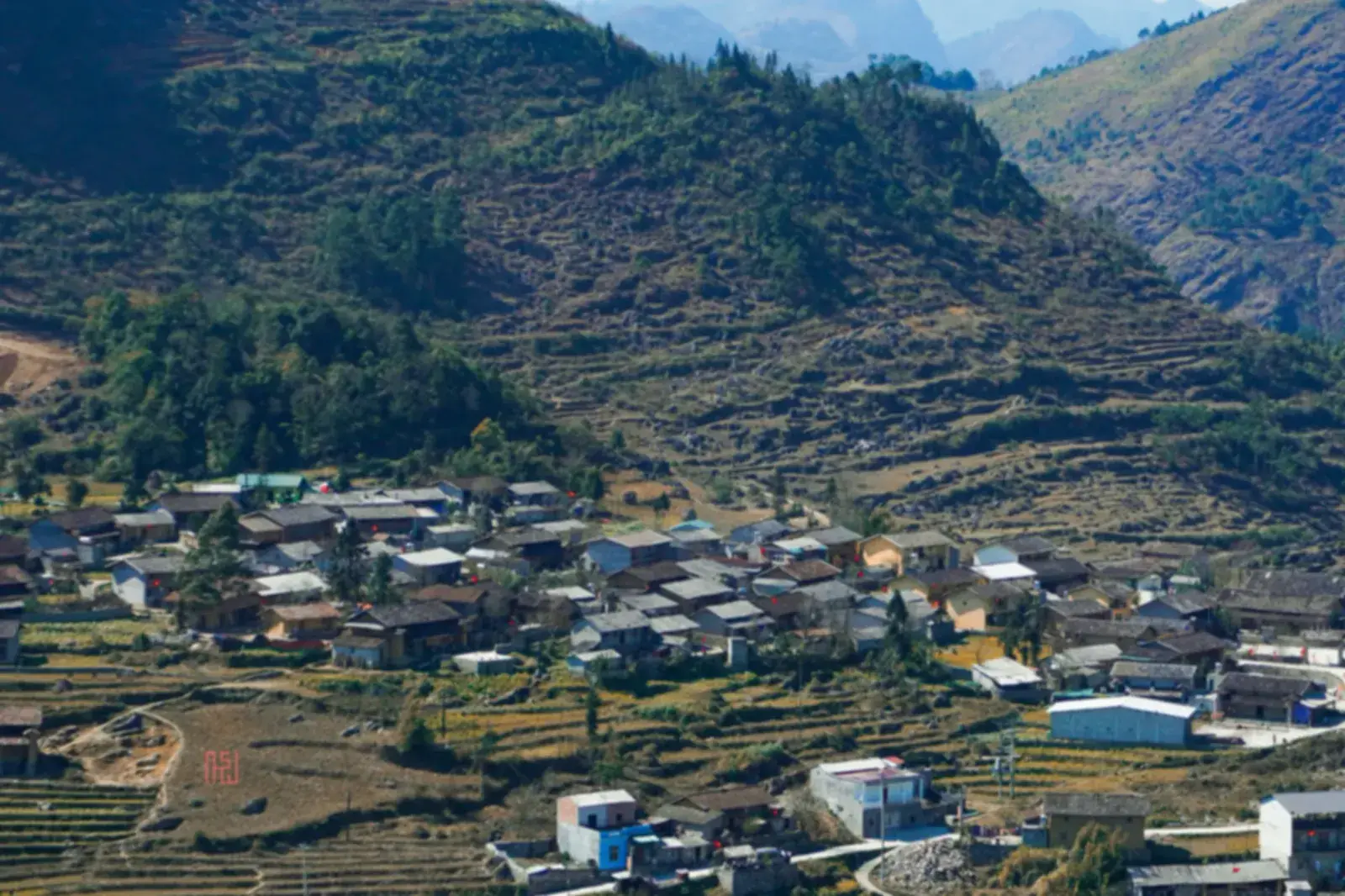
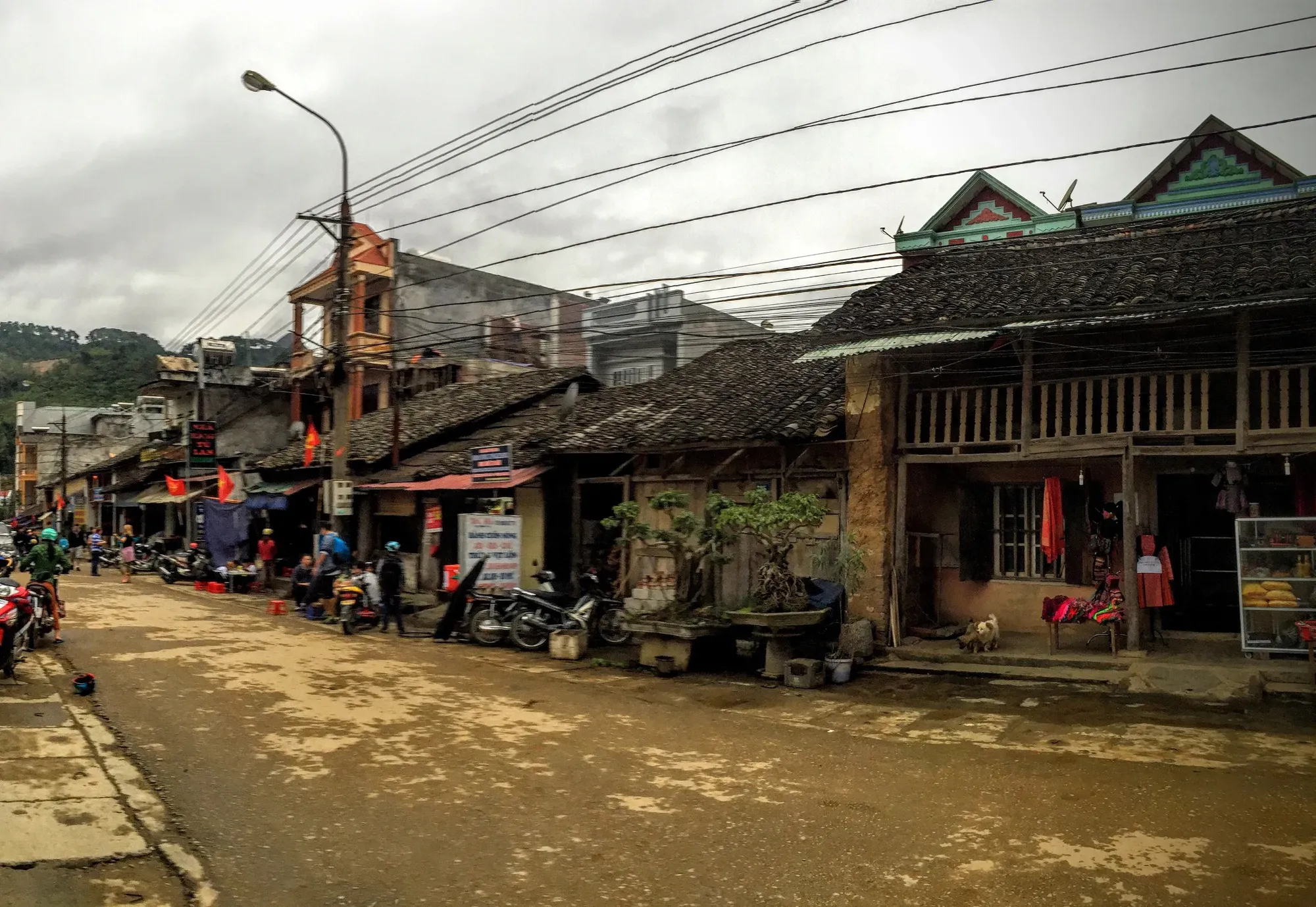
Riding through Ha Giang, travelers constantly transition between two contrasting architectural worlds: one moment you are admiring thatched wooden stilt houses rising above emerald paddy fields in Thon Tha or Du Gia; a couple of high passes later, heavy ochre-yellow earthen compounds appear nestled beneath wild peach trees in Lo Lo Chai or Pho Bang.
This is not a matter of decorative preference, but two completely distinct survival philosophies designed to master the extreme microclimates of the northern frontier.
Rammed-earth homes: cliffside fortresses against sub-zero winds
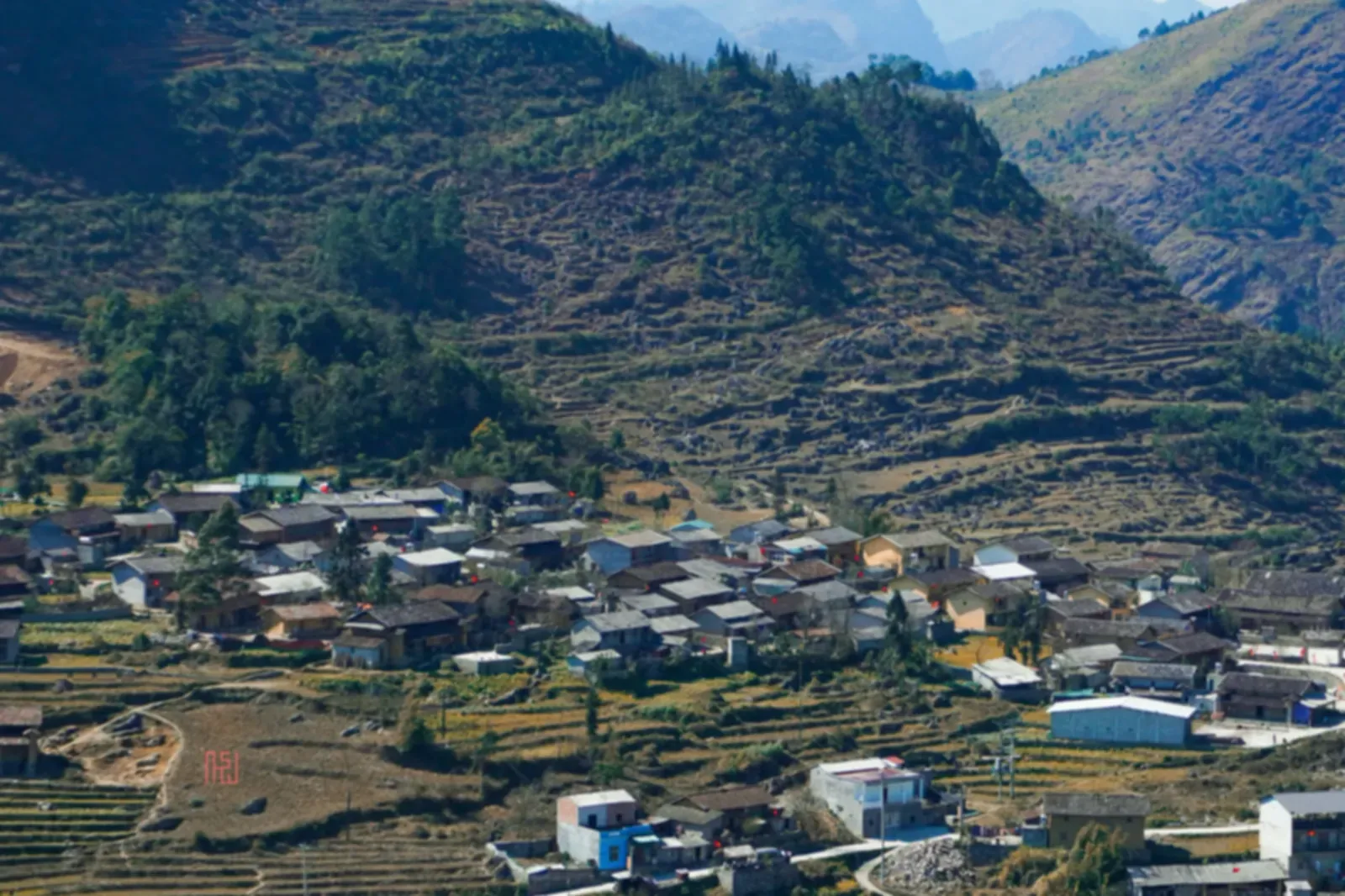
At altitudes above 1,200 metres across the Dong Van karst plateau, summer heat scorches exposed limestone boulders, while winter temperatures frequently plummet below 5°C, accompanied by biting frost and dense bone-chilling fog.
To endure these long highland winters, Hmong and Lo Lo communities perfected the craft of rammed-earth construction (known locally as nha trinh tuong):
- Half-metre thick mud walls: Moist mountain clay is sifted to remove sharp stones, packed into wooden formworks, and hand-tamped with heavy wooden pestles layer by layer. Once cured, the wall becomes rock-solid and 40 to 50 cm thick, forming an extraordinary natural thermal buffer: winter gale winds cannot penetrate, and summer radiant heat is deflected outside.
- Enclosed design: Earthen homesteads feature very few external windows, typically relying on a solid front doorway and a small utility entrance to minimise drafts. An upper timber mezzanine beneath the eaves stores dried winter corn, smoked meats, and supplies while creating a cosy sleeping space above the cold stone foundation.
- Yin-yang clay tiles: Interlocking curved terracotta tiles create tiny air pockets that insulate the ceiling. During rainy spells, the tiles guide precious runoff into household cisterns; in winter, lush green moss on the tiles traps indoor heat.
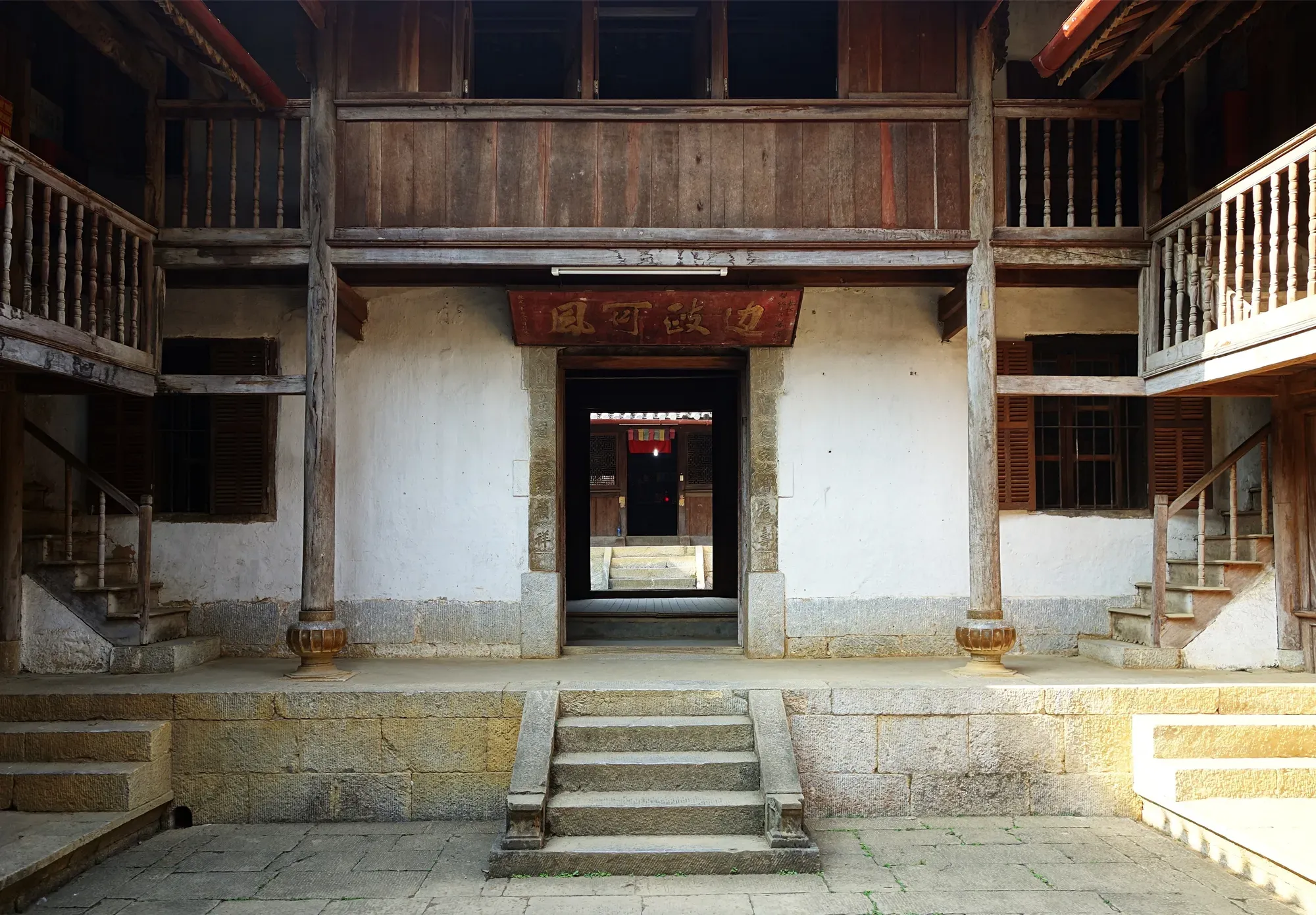
The pinnacle of rammed-earth engineering and highland masonry is the Vuong family mansion in Sa Phin valley. Designed as a self-contained citadel surrounded by cedar groves, it unites 60-centimetre-thick earthen ramparts, dry-stacked dressed limestone fort walls, and internal air-circulation courtyards.
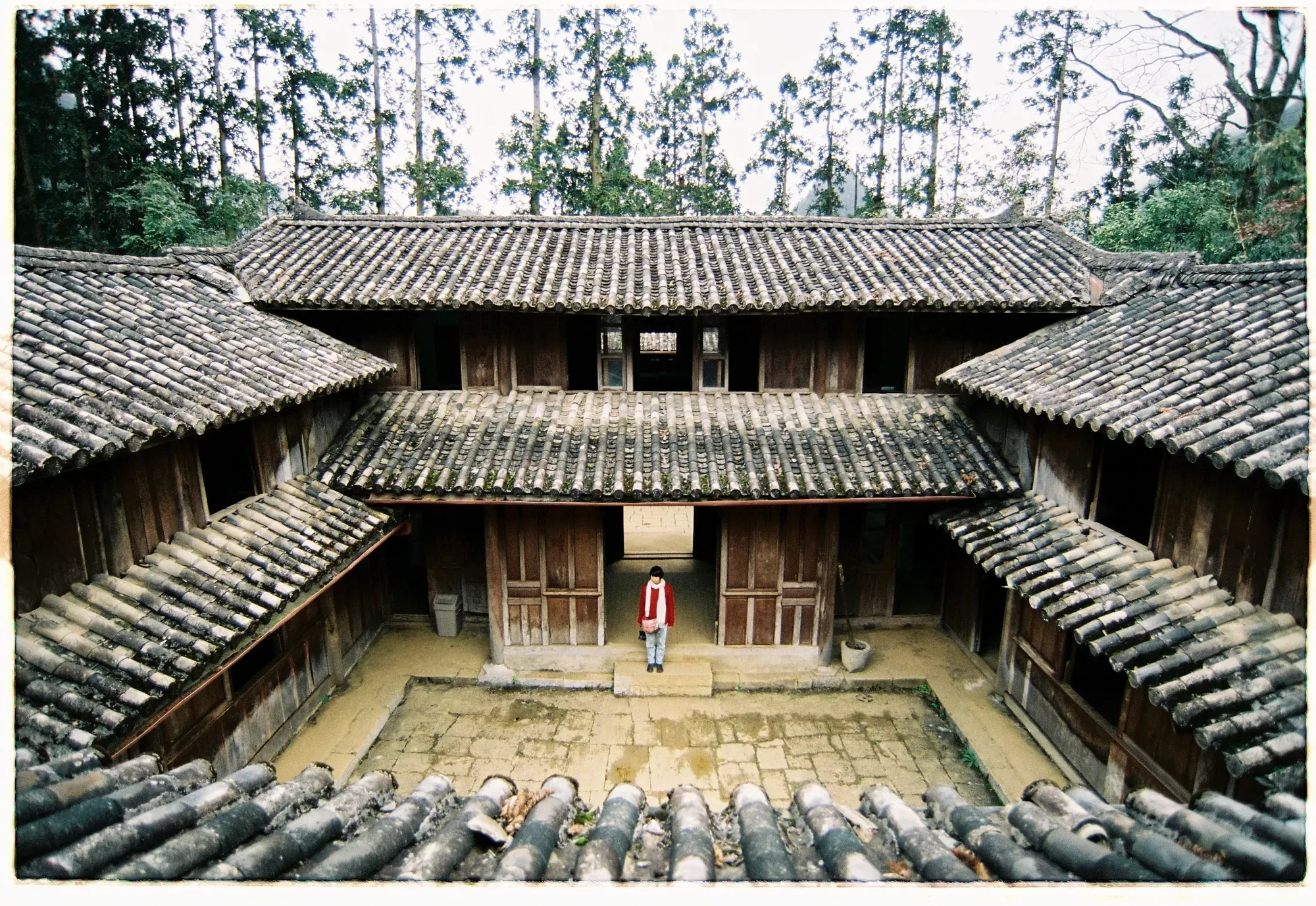
Inside the fortress, three linked residential quarters form a sequence of stone-paved courtyards. This open-air layout generates natural air circulation that keeps living rooms cool in summer while fully shielding the household from violent winter drafts whistling through mountain ravines.
Tay stilt houses: breezy living above river valleys
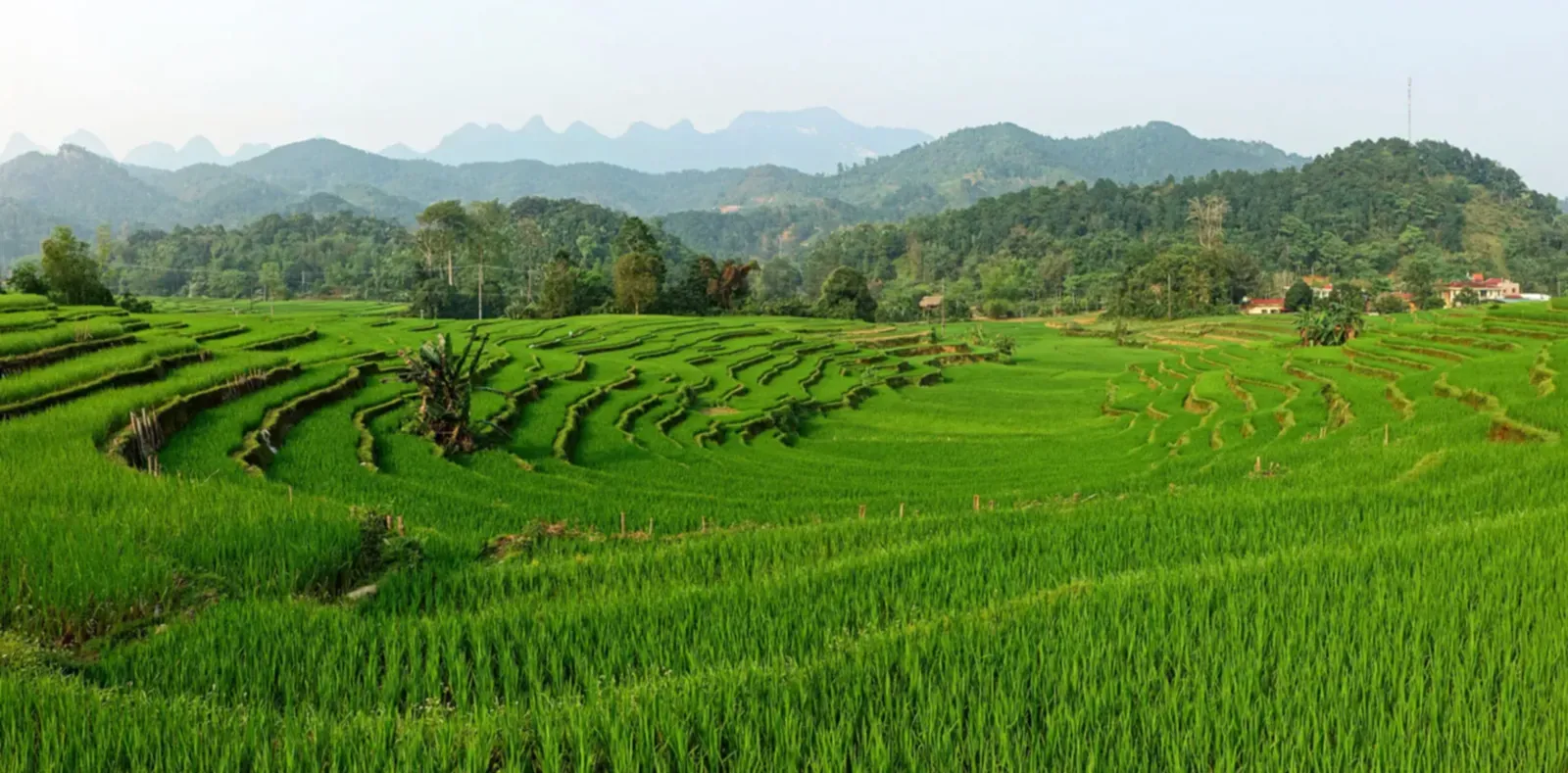
Leaving the dry karst plateau behind and heading down toward the Ha Giang City basin or the foothills of Yen Minh, the climate changes dramatically: hot, humid, blessed with babbling streams, bamboo groves, and lush wet-rice terraces. Here, the Tay people remain faithful to elevated timber stilt houses:
- Elevated pillars: Massive posts carved from ironwood or burretiodendron suspend the living floor 1.5 to 2 metres above the damp earth. This design protects occupants from ground moisture after tropical downpours, while deterring forest snakes and insects.
- Natural breathing materials: Slatted bamboo or timber floors combine with multi-layered palm-leaf thatching. Open window arrays catch mountain breezes blowing off the rice fields, keeping interiors naturally cool and scented with clean mountain timber.
- Ground floor and upper quarters: Historically, the open ground floor sheltered tools and livestock. Today, in community homestay hamlets, this lower tier has been turned into airy dining verandas for shared meals and tea, leaving the upper floor tranquil and private for resting.
The universal heart: the glowing central hearth
Whether in an earthen stronghold perched on a foggy ridge or a timber stilt home beside a river, the true heart of every highland home remains the charcoal hearth burning brightly in the centre of the living space.
This open fire never fully goes out during cold months. It warms the rough hands of grandparents, simmers evening pots of fragrant broth, dries winter timber overhead, and welcomes traveling strangers to sit down and share warmth.
When you cross a highland threshold, taking a seat beside the hearth is the most sincere, unpretentious gesture of hospitality you will experience in Ha Giang.


